
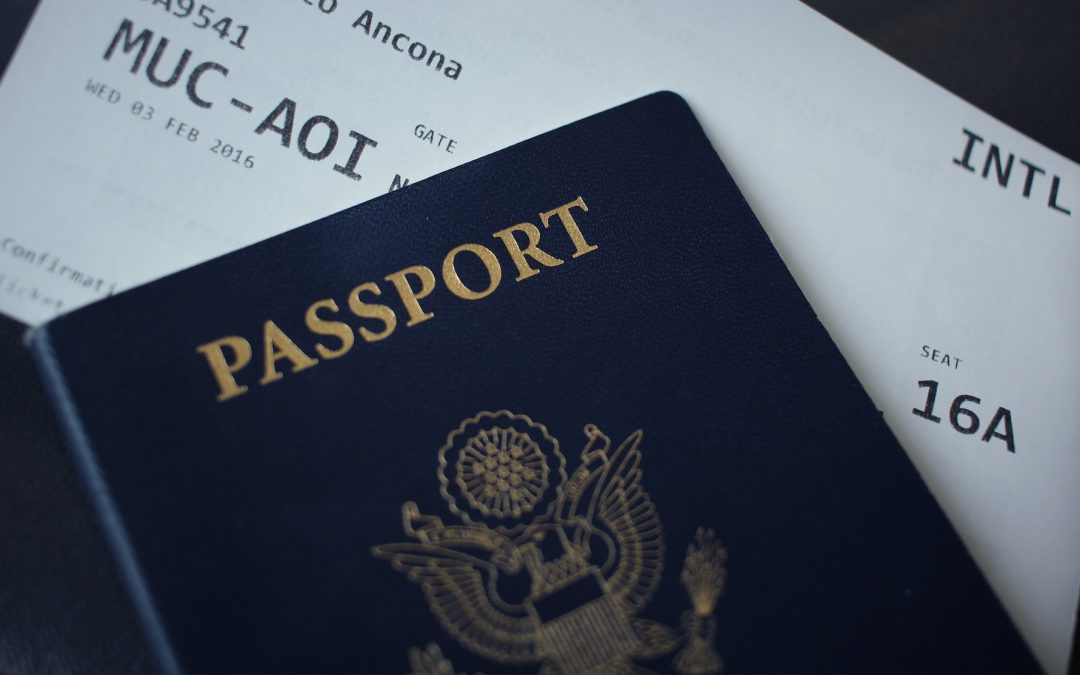
Traveling to Croatia, much like traveling to any other country, requires careful preparation, particularly concerning the necessary documentation. The specific documents you’ll need can vary depending on several factors, including your nationality, the purpose of your visit, and how long you plan to stay. Below is a detailed list of the documents and conditions you need to be aware of when planning your trip to Croatia.
Keep in mind that not all documents are required by US citizens and that this is the general guideline for all our travelers.
- Passport:
- Generally, a valid passport is needed when traveling to Croatia. Your passport should be valid for at least three months beyond your planned date of departure from the Schengen area.
- The passport should have at least two blank pages for stamps upon arrival and departure.
- Ensure your passport is in good condition; damage might complicate the entry process.
- Visas:
- EU, EEA, and Swiss nationals do not require a visa to enter Croatia. They can enter, reside, and work in Croatia with just their valid passport or an identity card.
- Nationals from certain countries, including the United States, Canada, Australia, and New Zealand, do not need a visa for short stays (typically up to 90 days within a 180-day period). However, it’s crucial to check the current visa requirements for your specific country.
- If you’re from a country that does require a visa, you must apply in advance at a Croatian Embassy or Consulate in your country. Ensure you have all the necessary documents, which typically include:
- Proof of sufficient financial means for the duration of your stay.
- A valid travel document or passport.
- Proof of accommodation or an invitation letter from a host in Croatia.
- Return or round-trip ticket.
- Travel insurance that covers any potential medical costs and repatriation.
- Recent passport-sized color photographs.
- Travel Insurance:
- While not mandatory for everyone, travel insurance is highly recommended for international travel. Some visa applicants may be required to provide proof of travel insurance as part of their application.
- Ensure that your insurance covers medical expenses, emergencies, and repatriation. If you plan on engaging in sports or adventurous activities, confirm that your insurance covers these activities.
- Proof of Accommodation:
- While it may not always be strictly necessary, proof of accommodation is sometimes requested upon arrival. This could be a hotel booking, rental agreement, or an invitation letter from a host living in Croatia.
- Financial Solvency:
- Although it’s not always enforced, travelers could be asked to demonstrate that they have enough money to cover their stay in Croatia. This could be in the form of cash, bank statements, credit cards, or travelers’ cheques.
- International Driving Permit (IDP):
- If you plan to drive in Croatia, you might need an International Driving Permit (IDP), especially if your license is not in English or Croatian, or if you are a resident of a non-EU country. Ensure you understand the requirements based on your home country’s agreements with Croatia.
- Vaccination and Health Records:
- Depending on global health circumstances, you may be asked for vaccination records. For instance, during the COVID-19 pandemic, travelers had to present negative test results or vaccination records. It’s important to check the current health advisories and requirements.
- Having a small health record booklet might be useful, especially if you have specific medical needs or conditions.
- Return Ticket:
- For non-EU nationals, proof of a return ticket or a ticket for onward travel may sometimes be required. This is to demonstrate that you do not intend to stay indefinitely.
- Work or Study Documentation:
- If you’re going to Croatia to work or study, there are additional documents you may need. For work, this might include a work permit or evidence of employment. For study, you will need proof of enrollment in a Croatian institution.
- For Minors:
- Special considerations must be made for minors traveling alone or with one parent. They should have a letter of consent from the non-traveling parent(s) or legal guardian(s), including copies of their ID or passport. This letter may need to be notarized.
Remember, the requirements can change based on diplomatic relations, health crises, or other significant global events. Therefore, it’s crucial to consult with the Croatian embassy or consulate in your country or check the official website of the Ministry of Foreign and European Affairs of Croatia for the most recent information before your trip. Safe travels!