
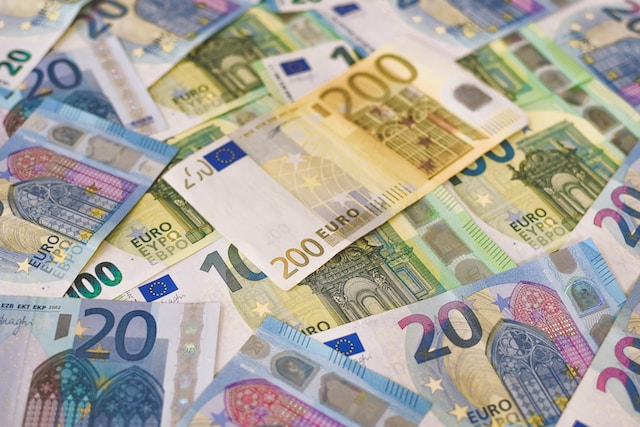
The Currency of Montenegro: The Euro (€)
Despite not being a member of the European Union, Montenegro interestingly uses the Euro (€) as its official currency. This decision stems from historical economic conditions and a strategic orientation towards European integration.
After gaining independence in 2006, Montenegro did not reintroduce its former currency, the Montenegrin perper, nor did it adopt a new official one. Instead, the country unilaterally adopted the Euro as its de facto currency, which was a unique move that has greatly influenced its economic and monetary policies.
Advantages for Travelers:
- Ease of Use: For travelers, especially those already coming from Eurozone countries, this makes Montenegro an incredibly easy destination to navigate monetarily. There’s no need to worry about exchanging currencies upon arrival or departure, saving you from unnecessary conversion fees or exchange rate fluctuations.
- Cash and Payments: Cash is prevalent, but credit and debit card usage is widespread in Montenegrin cities and tourist hotspots. You can confidently use your cards for payments at most restaurants, hotels, and shops. However, it’s advisable to have some cash on hand for small purchases, in remote areas, or at local markets where cash is king.
- ATMs and Money Withdrawal: You’ll find ATMs throughout Montenegro, particularly in urban centers and places frequented by tourists. These machines offer language options for international users, ensuring a user-friendly experience. If you need larger sums of cash, ATMs offer a safe, quick way to withdraw money without seeking out exchange bureaus.
- Pricing and Affordability: Montenegro is known for its affordability compared to other European destinations. However, prices can spike in tourist-heavy areas, particularly during peak seasons. With the pricing in Euros, it’s easy for tourists to compare costs with their home countries and assess the value of services and goods they’re purchasing.
A Word on Tipping:
Tipping in Montenegro, while not obligatory, is part of the culture, and locals commonly round up the bill or leave up to 10% for good service. Since the calculation is based on Euros, it simplifies the tipping process for international visitors.
Conclusion
Montenegro’s use of the Euro presents a unique convenience for international travelers. This monetary aspect, combined with the country’s natural beauty and cultural richness, positions Montenegro as an attractive travel destination. Tourists can explore this captivating country with the ease of a familiar currency, making their journey all the more enjoyable. So, pack your bags (and Euros) and get ready for an unforgettable Montenegrin adventure!