
Embarking on a journey to Slovenia, a country renowned for its diverse landscapes, from the Mediterranean Sea to its alpine peaks, and from its rolling hills to its bustling urban centers, means immersing yourself in a rich cultural tapestry. One fundamental aspect every traveler should be acquainted with is the nation’s currency. Here’s an essential guide to navigating monetary matters in Slovenia.
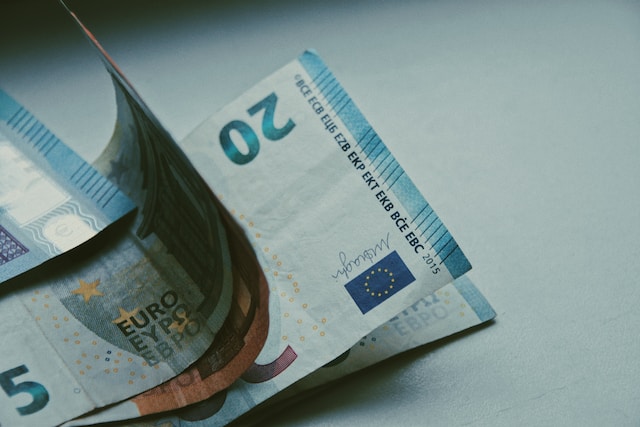
The Currency of Slovenia: The Euro (€)
Since January 1, 2007, Slovenia has adopted the Euro (€) as its official currency, becoming the first of the 2004 European Union entrants to join the Eurozone. This move was a significant step in the country’s economic integration into wider Europe, facilitating a more seamless financial experience both for its citizens and international visitors.
What This Means for Travelers:
- No Hassle of Currency Exchange: For tourists, especially those from European countries, the use of the Euro in Slovenia provides a convenient and hassle-free travel experience. There’s no need for currency exchange, no grappling with conversion rates, and no leftover currency that you’ll struggle to change back once you return home.
- Cash and Cashless Transactions: While cash is widely used, Slovenia also boasts an extensive network for cashless transactions. Credit and debit cards (Visa, MasterCard, and Maestro are most common) are accepted almost everywhere – from hotels to restaurants, and from larger stores to tourist attractions. Smaller establishments or those in remote areas may prefer cash, making it advisable to keep a mix of payment options at hand.
- Accessibility to Funds: ATMs (Bankomats) are readily available across Slovenia, particularly in cities, larger towns, and tourist areas. They provide a convenient way to withdraw cash at a fair conversion rate, though it’s wise to be aware of any transaction fees your home bank may charge.
- Cost of Living: The cost of traveling in Slovenia is quite moderate compared to its Western European neighbors. However, popular tourist destinations and services may carry a premium price. The Euro pricing makes it straightforward for visitors to understand costs and manage their travel budget effectively.
Tipping Etiquette:
In Slovenia, service charges are typically included in the bill in most restaurants and cafés. However, tipping for exceptional service is a common practice and is always appreciated. A tip of around 10% of the bill is considered generous if the service exceeds expectations. For simplicity, many patrons round up the total to the nearest Euro.
Conclusion
The adoption of the Euro has made Slovenia an even more accessible destination for international travelers, offering a convenient and straightforward monetary system. This ease allows visitors to focus less on financial logistics and more on immersing themselves in the breathtaking natural beauty, rich historical experiences, and culinary delights that Slovenia has to offer. So, travel with ease knowing there’s one less logistic to worry about, and savor every moment in this exquisite European jewel.