
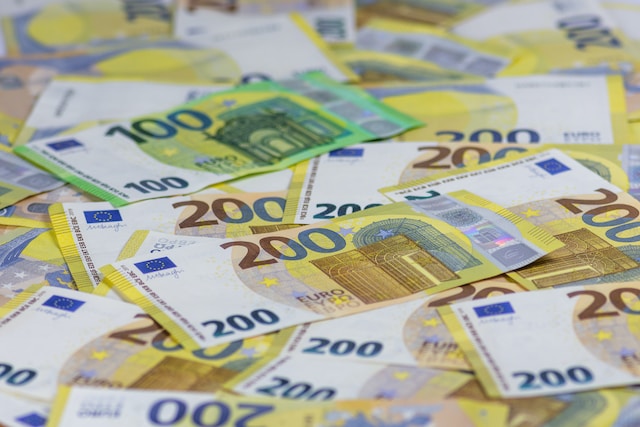
Embarking on a Croatian adventure is more than just a travel plan—it’s a ticket to breathtaking coastlines, historical cities, and a vibrant cultural immersion. As of 2023, Croatia has adopted the Euro (€), enhancing the ease of transactions for visitors. In this comprehensive guide, we delve into the nuances of card payments, cash usage, and ATMs, ensuring you enjoy a seamless experience in this beautiful country.
Card Payment Insights: In the heart of Croatia’s urban and tourist centers, card payments are not just commonplace; they’re often the preferred mode of transaction. Here’s what you need to know:
- Widespread Acceptance: Major credit and debit cards (Visa, MasterCard, and to a lesser extent, American Express) are accepted in hotels, restaurants, and stores, especially in metropolitan areas like Zagreb, Split, and Dubrovnik. Still, always have cash with you, as some places don’t accept credit cards.
- Contactless Payments: With the global trend towards touch-free transactions, many establishments have embraced contactless payment systems. You’ll find this a convenient option in supermarkets, shopping centers, and even in some public transportation systems.
- Retail Insights: Small, local shops, market stalls, or family-run eateries, particularly in remote areas, may have a cash-only policy. It’s prudent to inquire about payment methods beforehand or have some cash at the ready.
Cash Considerations: Daily Usage Insights:
While card payments are increasingly prevalent, cash still plays a crucial role in daily transactions. Understanding your cash needs is fundamental:
- Daily Budgeting: On average, budget travelers might spend around €50-70 per day, covering meals, public transportation, and modest attractions. Those preferring more comfort or luxury should budget upwards of €150 per day. This is the recommended budget per person per day.
- Keeping Cash Handy: For dining in local eateries, using public restrooms, purchasing from street vendors, or tipping service professionals, it’s advisable to keep small denominations of cash. Approximately €30-40 in cash per day should be adequate for incidental expenses.
- Tipping Practices: Tipping is customary in Croatia, with 10-15% being standard for good service in restaurants. For simplicity, patrons often round up the bill. Tipping in cash can sometimes be preferred even when paying the bill by card.
ATMs: Securing Your Euros:
ATMs (Bankomati) are plentiful, particularly in urban and tourist areas, but here are a few tips to find the best ones:
- Bank-Branded ATMs: Opt for ATMs affiliated with reputable local banks (such as Zagrebačka banka or Privredna banka Zagreb) for the most reliable services and reasonable exchange rates.
- Avoiding Extra Charges: Be cautious of independent ATMs in highly touristic areas, as they may impose hefty transaction fees or unfavorable exchange rates. Always choose to be charged in the local currency (Euros), as dynamic currency conversion can result in higher charges.
- Security First: Use ATMs within bank premises during the daytime to ensure security, and always shield your PIN entry.
- Cash Withdrawal Norms: Most ATMs dispense notes as small as €5, which is convenient for those seeking smaller denominations for casual spending.
Conclusion:
Navigating Croatia’s monetary landscape is smooth sailing with the country’s adoption of the Euro and the prevalent use of card payments. By understanding the balance between card usage and cash necessities, along with knowledgeable ATM practices, you can focus less on financial logistics and more on the beauty and experiences that Croatia offers. From the ancient walls of Dubrovnik to the pristine waters of the Adriatic, embrace Croatia with the confidence of a well-prepared traveler.