
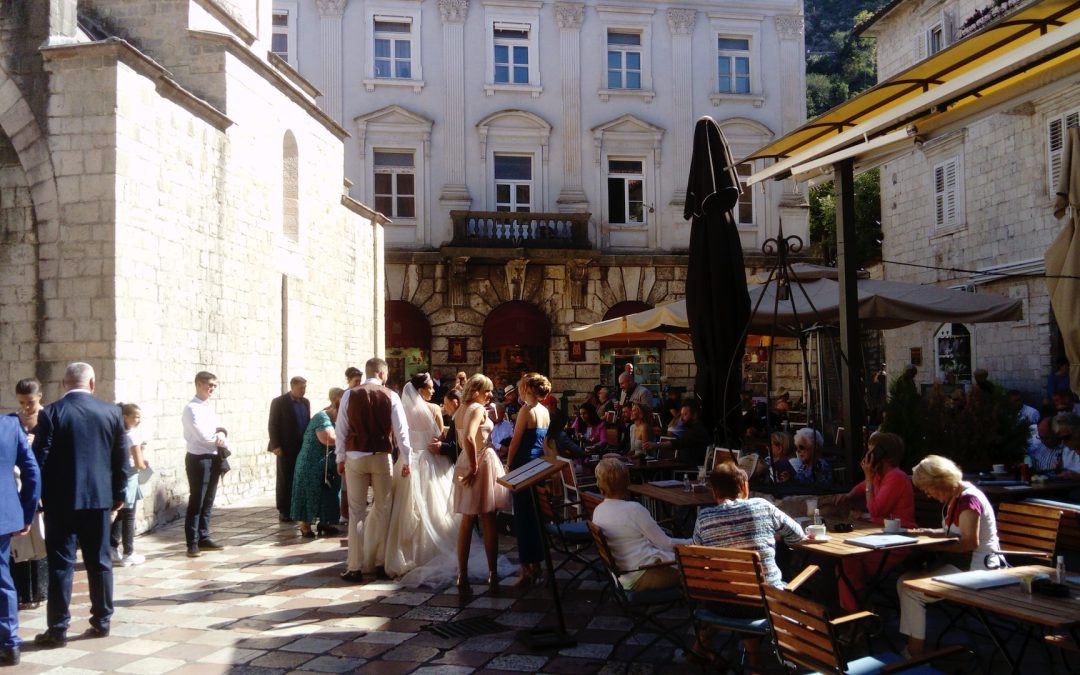
The people of Montenegro, often known as Montenegrins, encapsulate a vibrancy and warmth that mirrors the diverse landscapes of the country, from its stunning Adriatic coastline to its rugged mountainous regions. This small, southeastern European community, with a population that barely surpasses 600,000, has managed to maintain a unique cultural identity, even though it is nestled among the Balkan countries with their own rich histories. The Montenegrins are the soul of this nation, characterized prominently by their remarkable hospitality, multifaceted cultural influences, and deep-rooted traditions.
The culture of Montenegro has been woven with threads of various civilizations, primarily the Orthodox and Slavic heritages, along with the Mediterranean nuances brought in by the Adriatic. These influences are not merely remnants of the past; they actively shape the lifestyles, beliefs, and day-to-day practices of the Montenegrin people. The Orthodox Christian faith, in particular, plays a significant role, influencing everything from major life ceremonies like weddings and funerals to various festivals and daily conduct.
One cannot speak of Montenegrin culture without emphasizing its oral traditions, expressed through both music and storytelling. A striking example is the use of the “gusle,” a single-stringed instrument that is more than a tool of music—it’s a symbol of the nation’s history and resilience. Guslars (gusle players) are often seen and heard at local gatherings, their poignant, resonant tunes accompanying epic poems that speak of bravery, romance, and the common human experiences binding everyone in the room. These performances are more than entertainment; they are communal rituals, reinforcing Montenegrin identity and collective memory.
Folk dances are another exhilarating aspect of Montenegrin social culture. These dances, performed with vitality and often in colorful attire, are a spectacle of precise, high-energy movements, usually carried out in lines or circles with a palpable camaraderie among the dancers. They celebrate the nation’s history, folklore, and the simple joy of togetherness. Each step, each leap, each rhythmic turn holds centuries of the Montenegrin spirit.
Moreover, Montenegrin cuisine is a delectable representation of the country’s history and its Mediterranean, Oriental, and European influences. Two dishes, in particular, stand out: Njeguški pršut and kačamak. Njeguški pršut, a kind of smoked ham, is carefully cured with the winds of the mountains, embodying a flavor that speaks of the region’s natural gifts. It is often enjoyed in social settings, sliced thin and savored with friends and family. Meanwhile, kačamak is a comforting, hearty dish of polenta, potatoes, and cheese, a testament to the simplicity and richness of mountain fare. This dish, often shared communally, signifies the Montenegrin way of life—unpretentious, warm, and inviting.
The Montenegrins’ renowned hospitality can be felt in every interaction, whether one is a guest in a humble Montenegrin home or a traveler exploring its historic towns. Visitors often find themselves treated with a familial warmth, invited to partake in local customs, share meals, or even participate in the vibrant folk dances. This hospitality stems from a deep-seated belief in human kindness and solidarity, especially significant given the region’s tumultuous past.