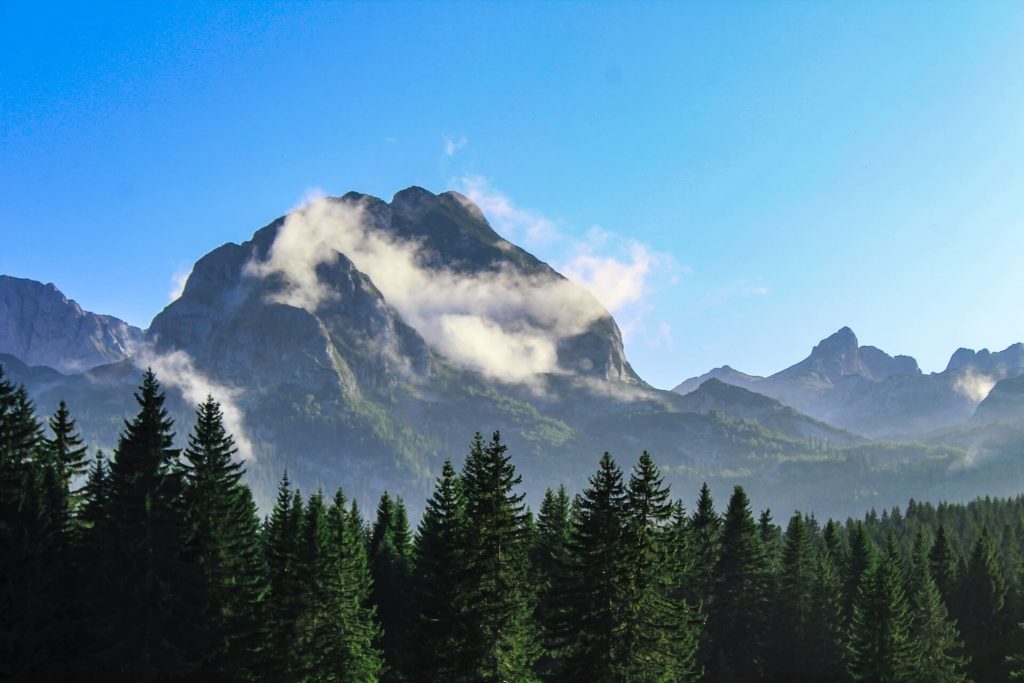
Montenegro, a country where every turn holds a new surprise, embodies both historical complexity and natural elegance. The country’s landscapes are a panoramic delight, with mountains, lakes, and coasts creating a visually stunning tapestry. Here’s an exploration of the captivating vistas that make Montenegro an enchanting destination for travelers.
1. Embracing the Serenity of Montenegro: The Bay of Kotor
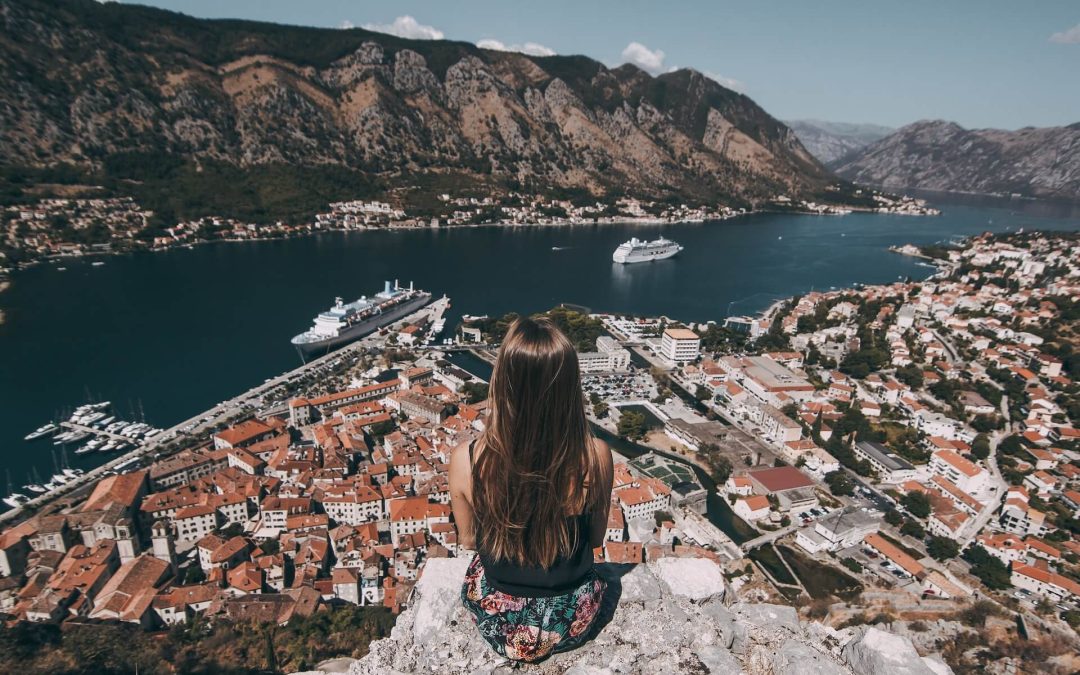
In the heart of Montenegro, where the mountains meet the Adriatic Sea, lies an awe-inspiring slice of heaven: The Bay of Kotor. Not just a destination but a journey into the ancient and the sublime, a place where nature outdoes itself and history speaks in whispers through the walls of time.
Though often likened to a fjord, the Bay of Kotor distinguishes itself geologically; it’s a submerged river canyon. This natural mistake has no bearing on the beholder, for the bay captivates with a unique serenity that feels almost fjord-like. The calm waters are dramatically enfolded by mountains, their stony faces plunging steeply into the shimmering depths below, creating a contrast that arrests the soul.
Venturing into the bay feels like stepping into a living postcard. At each turn, the vistas defy belief. The town of Kotor, a medieval treasure, sits snugly at one end of the bay, offering a maze of cobbled streets, artisan shops, and the echoes of long-passed footsteps. The charm of this UNESCO World Heritage site isn’t just contained within the ancient walls of its namesake city but radiates outward into every nook and cranny of the bay.
Take a leisurely stroll, and you’ll find the mountainous backdrop competes with the man-made wonders. The fortifications, abandoned to time, climb the cliffs behind the city, offering a hike that rewards every drop of sweat with panoramic views of the bay’s entirety. As day turns to night, the stars find a mirror on the water’s surface, and the lights of the settlements give the bay a life of its own, a mystic dance between the modern and the medieval.
A stone’s throw away is Perast. More modest in size but equally generous in beauty, this tranquil village seems untouched by time. The Venetian influence on architecture offers a romantic atmosphere, a testament to its rich maritime tradition and sophisticated past. Here, the bay’s waters reach toward the heavens, as if trying to touch the two picturesque islets, St. George and Our Lady of the Rocks. A boat ride to these tiny havens is a sojourn into tranquility, with the chapel’s soft chimes providing the soundtrack to the bay’s majesty.
No visit is truly complete without experiencing the bay from the water. Local skippers are more than happy to navigate the quiet, indigo waters on enthralling boat tours. The gentle lapping of the water against the boat, the cool sea breeze, and the sun, a gentle hand on the back, all combine in sensory harmony. From this vantage point, the bay is both grandiose and intimate, revealing hidden caves, secluded swimming spots, and perspectives of the towns previously unseen.
As the boat slices through the reflections of the surrounding Orjen and Lovćen mountains, one realizes that the Bay of Kotor is a pause from the chaotic, a breath of the eternal, a place where nature’s majesty is so profound that even the most restless souls find a moment of peace. It’s a serene embrace, a silent ode to the beauty of our world, and a timeless keepsake in the heart of every traveler.
2. The Hidden Pirate Cove: Sveti Stefan
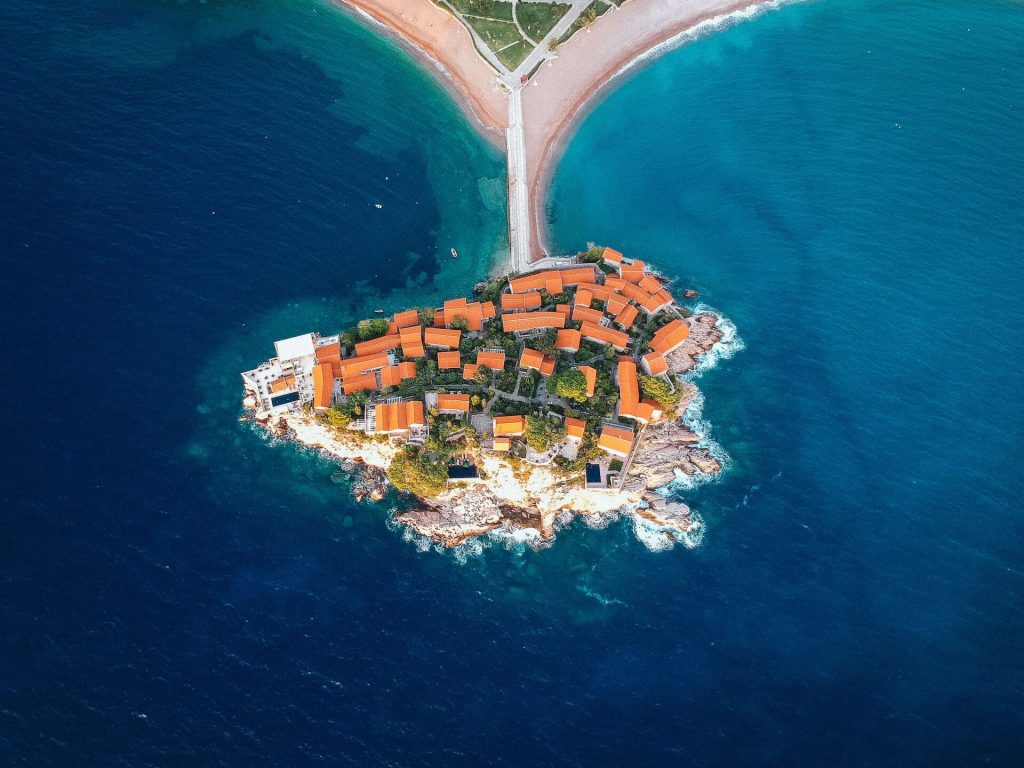
Sveti Stefan, a unique chapter in Montenegro’s rich narrative, is a mesmerizing blend of exclusivity and historical charm. This fortified island village, with its origins dating back to the 15th century, today stands as one of the most luxurious resorts in the Adriatic, cradled in the embrace of the sparkling sea and connected to the mainland by a slender, human-made causeway of golden sand.
Once a fortified village built to defend against the Ottoman Empire, Sveti Stefan’s narrow streets, little squares, and stone villas are an echo from the past, with the carefully preserved architecture creating an atmosphere of medieval serenity juxtaposed against the comforts of modern luxury. The distinctive red-tiled roofs of the stone houses, set against the backdrop of azure sea and sky, create a picturesque vista that has become a globally recognized symbol of Montenegrin tourism.
Despite the island’s transformation into a high-end haven, the integrity of its original form has been meticulously maintained. Each private accommodation scattered across the island is unique, reflecting the history of the individual buildings. Within these ancient walls, the rooms are the pinnacle of luxury, each designed with a keen eye that marries the rustic charm of thick stone walls and sturdy wooden beams with opulent furnishings and modern amenities.
While the island itself is the preserve of the guests of the Aman Sveti Stefan resort, its iconic beauty can be admired by all from the mainland’s shores. The public beaches on either side of the isthmus offer a stunning perspective of the island, allowing visitors to bask in the scenic view of this extraordinary jewel. As the sun sets, the island takes on an ethereal glow, the lights reflecting off the water as the last rays of sun crown the red roofs with a golden halo, a spectacle accessible to anyone who wishes to partake.
Moreover, just a short stroll from the beaches, one finds oneself amidst a lush forestry park, Milocer, which used to be a royal Yugoslav summer residence. The park, with its exotic plant species, hidden paths, and stunning island view, makes for a perfect day’s adventure. It’s a place where the perfume of earth and sea mingle and where the exclusive view of Sveti Stefan from a distance creates perfect photographic opportunities.
For those with a taste for fine dining, the mainland near Sveti Stefan is not to be overlooked. While the island’s privacy is well-guarded, the local restaurants on the coast offer a plethora of culinary delights, from traditional Montenegrin cuisine to sophisticated international dishes, often served with the panoramic grandeur of Sveti Stefan in the background.
3. Historical Echoes and Vibrant Present: Budva
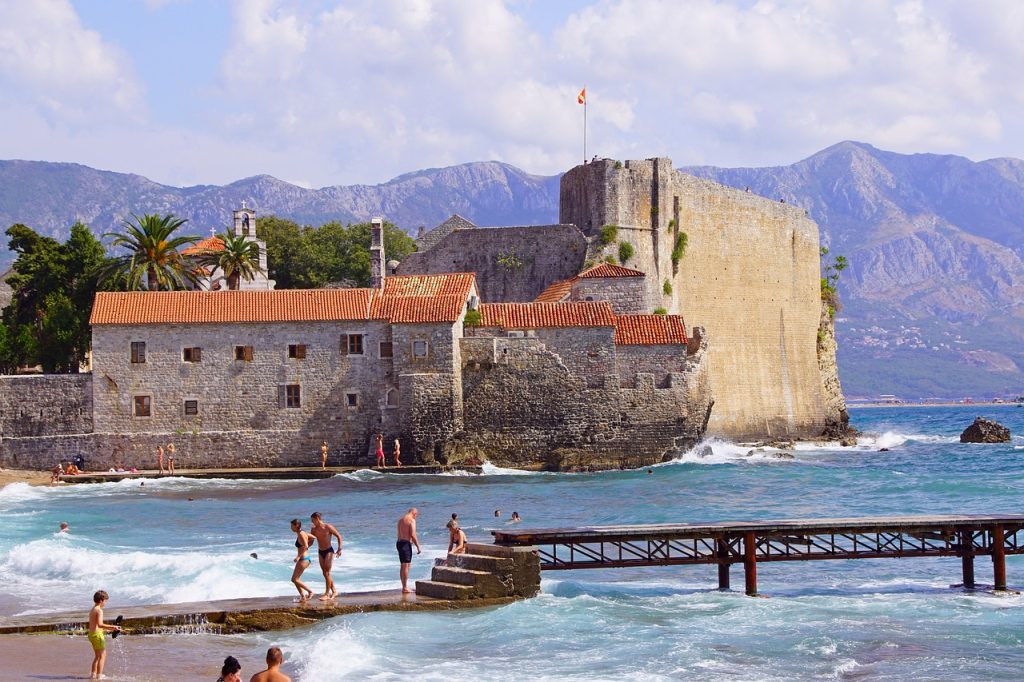
Budva beckons with its dynamic blend of ancient history and modern vitality. Known for its sun-kissed beaches and vivacious nightlife, it holds a different treasure – a rich historical tapestry that has been woven over 2,500 years, making it one of the oldest settlements on the Adriatic coast.
As you approach the Old Town, the first thing that strikes you is the stunning contrast between the ancient city walls – remnants of the Venetian Republic’s omnipresence in the 15th century – and the rhythm of modern living. These stout, stone barriers tell tales of a tumultuous past, standing as silent protectors of the history within. The entrance to this part of the city is a transition from the contemporary hustle to a world where cobblestone streets and medieval architecture speak of a bygone era.
Wandering through the maze-like walkways of Budva’s Old Town is akin to stepping back in time. Each turn within the narrow, winding streets reveals something unexpected: small, charming squares, little churches with significant historical and artistic value, and even ancient ruins. Of particular interest is the Church of St. John, a significant historical and cultural monument, which has been standing tall since the 7th century. The Citadel, another landmark, offers not just historical insight but an unmatched view of the Budva Riviera, the vast expanse of the blue sea melting into the horizon.
However, Budva isn’t just a haven for history enthusiasts. As the sun sets, the city transforms, showcasing its other persona as Montenegro’s party capital. The streets, so quaint during the day, start pulsating with energy. Modern, seaside cafes, bars, and clubs open their doors to locals and tourists alike, with music spilling into the night air. The city’s vibrant club scene and beach parties are renowned, often featuring international DJs and attracting a lively, cosmopolitan crowd.
Just outside the immediate rush of Budva’s center, a string of stunning beaches offers a daytime respite. The most famous, Mogren Beach, is flanked by rugged cliffs, its crystal-clear waters a call to sunbathers and water sports enthusiasts. A picturesque walk along the shoreline connects several other local beaches, each with its unique charm.
Moreover, Budva’s location makes it an excellent base for exploring Montenegro’s other attractions. The serene beauty of Sveti Stefan, the royal capital of Cetinje, and the bustling, modern city life of Podgorica are all within a day’s reach. Adventure seekers can easily venture into the mountains for a day of hiking or exploring the wild beauty of Montenegro’s national parks.
4. The Mountain’s Crown: Lovcen National Park
Situated in the southwestern region of Montenegro, Lovcen National Park is a monumental natural and historical site that encapsulates the very essence of the country’s cultural heritage, natural beauty, and indomitable spirit. Stretching across the towering Lovcen mountain range, the park is named after Mount Lovcen, the “Black Mountain,” which has given Montenegro its name. More than a mere national park, Lovcen is a sacred landscape that holds a profound place in the hearts of the Montenegrin people.
The park’s terrain is a dramatic spectacle of dizzying heights, with sharp, jutting peaks that transition into tranquil, green pastures, and deep, rocky gorges. The biodiversity here is significant; dense forests of black pine, beech, and juniper trees cloak the mountainside, providing a sanctuary for various wildlife species. These serene, green expanses open up to expose the raw, thrilling beauty of Lovcen’s karst landscapes — a testament to the park’s geological past.
However, the most iconic feature of Lovcen National Park is none other than the mausoleum of Petar II Petrovic-Njegos. This prince-bishop is one of Montenegro’s most venerated national heroes and a renowned poet and philosopher. His last wish was to be laid to rest in this place that he held so dear, and accordingly, his mausoleum sits atop the second-highest peak of Lovcen, Jezerski Vrh.
Reaching the mausoleum is a journey both physically and spiritually. After a challenging drive up winding mountain roads, visitors must ascend a formidable set of 461 steps. This path, however, is part of the experience, symbolizing the ascension into the realm of the sublime. Upon arrival, the mausoleum itself is a masterpiece blending architecture and art. Designed by the famous Croatian sculptor Ivan Meštrović, this monumental structure perfectly complements the rugged beauty of its surroundings.
Inside, the mausoleum safeguards the remains of Njegos, guarded by a pair of colossal stone figures. The interior is solemn, with golden mosaics illuminating the tomb with a celestial light. Just beyond, a viewing platform offers what is arguably the most breathtaking panoramic view in Montenegro. From this vantage point, visitors can take in the beauty of the Bay of Kotor, the Adriatic Sea, and on clear days, even distant Italy. It’s a vista that spans hundreds of kilometers, encompassing the heart, soul, and pride of Montenegro.
But Lovcen National Park offers more than just the mausoleum. It’s a haven for hikers, with numerous trails snaking through its diverse ecosystems. These paths lead adventurers through rural villages where life has remained unchanged for centuries, past hidden monuments, and even to the park’s highest peak, Stirovnik.
The cultural significance of Lovcen National Park also extends to its role as a venue for traditional events. One of the most notable is the “Njegos Day” celebration, a tribute to the park’s eternal resident, which fosters a sense of unity and Montenegrin identity.
5. Adventure Awaits: Durmitor National Park
In the northwestern reaches of Montenegro, Durmitor National Park unfolds as an epic montage of nature’s most exhilarating visuals. This UNESCO World Heritage Site, established in 1952, spans an area of approximately 390 square kilometers and serves as a monumental playground for adventurers and nature enthusiasts alike. Here, the forces of nature have conspired to create a landscape of thrilling extremes and serene beauty, attracting those who seek both adrenaline-pumping action and soul-soothing tranquility.
Durmitor is a world of contrasts dominated by the spectacular Durmitor Massif, an imposing range of mountains carved and shaped by the whims of ancient glaciers. These towering peaks, including the highest, Bobotov Kuk, reach skyward, breaking through the 2,500-meter mark, challenging mountaineers and hikers with their rocky facades and rewarding them with unparalleled panoramic views of this wild Balkan paradise.
Nestled between these peaks, you’ll find the “mountain eyes” of Durmitor — a collection of 18 glacial lakes scattered like gems. Each lake, with its crystal-clear waters, reflects the rugged mountains and verdant pine forests, providing idyllic spots for rest and contemplation. The largest and perhaps most famous, Crno Jezero (Black Lake), is easily accessible and a starting point for many trails, embodying the peaceful soul that rests within this rugged environment.
However, the park’s drama unfolds most impressively with the Tara River Canyon. Carved into the landscape, this river canyon is the deepest in Europe and second deepest in the world, right after the Grand Canyon. Its colossal cliffs plummet dramatically over 1,300 meters, cradling the roaring Tara River below, known as the “Tear of Europe” for its extraordinary purity. White water rafting down this river is a hallmark of the Durmitor experience, as the tumultuous waters hurl adventurers through rapids and past cascading waterfalls, offering a thrilling communion with nature’s raw power.
For those who prefer a quieter interaction with nature, Durmitor’s expansive network of hiking trails beckons. These trails meander through vast alpine fields bedecked with wildflowers, past serene mountain villages where smoke lazily curls from rustic chimneys, and through dense, ancient forests where every shade of green seems to find representation. The park’s biodiversity adds another layer to its allure, with a plethora of wildlife — from the stealthy wolves and lynxes to a variety of birds — often hidden, but always present.
When the winter cloak drapes over Durmitor, the park transforms into a snowy wonderland. The mountains become pistes for skiing and snowboarding, offering a more tranquil alternative to the crowded Alps. The crisp mountain air is filled with the sounds of crunching snow and the laughter of people, reminding visitors of the sheer joy that this natural playground delivers.
The region is sprinkled with quaint villages where traditional Montenegrin life carries on, and warm, hospitable locals share stories that weave folklore and history together. The gastronomic offerings, featuring local cheeses, smoked meats, and homemade spirits, further enrich the visitor’s journey.