
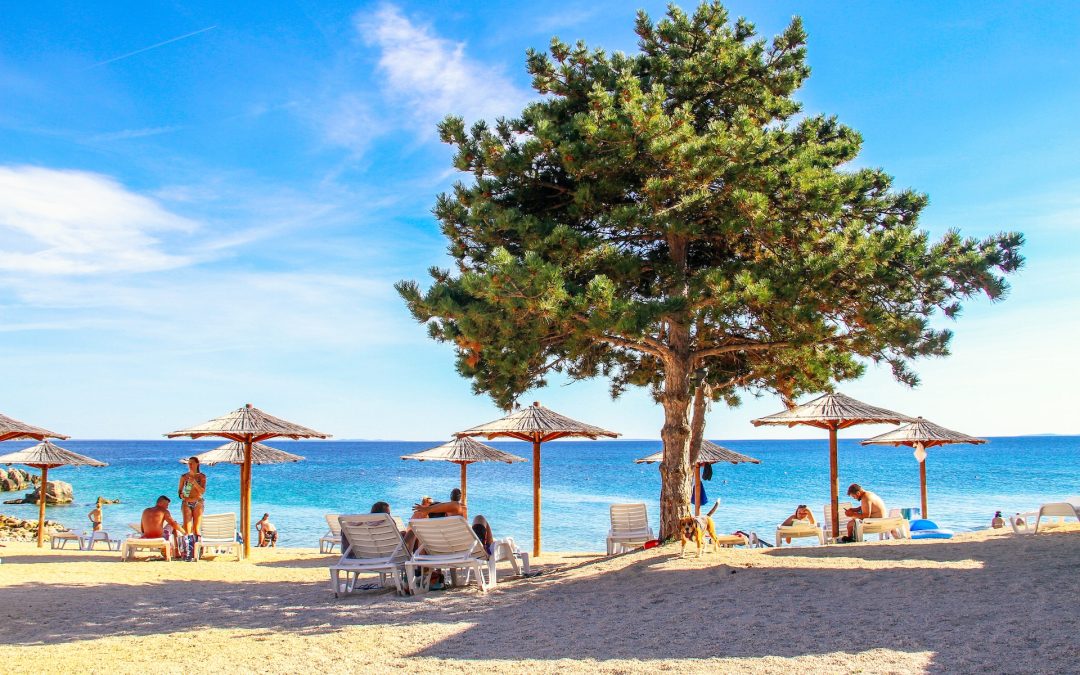
Nestled along the Adriatic Sea, Croatia is a gem of cultural history, natural beauty, and culinary delight. While its stunning coastlines draw countless sun-worshippers annually, the country offers a plethora of experiences beyond its celebrated beaches.
A trip to Croatia promises a rich tapestry of experiences, from exploring its diverse national parks to indulging in authentic local flavors and embracing historical marvels. Here’s your comprehensive guide to making the most of this captivating country.
Embracing Rich Historical Tapestry: Journeying Through Croatia’s Living Museum
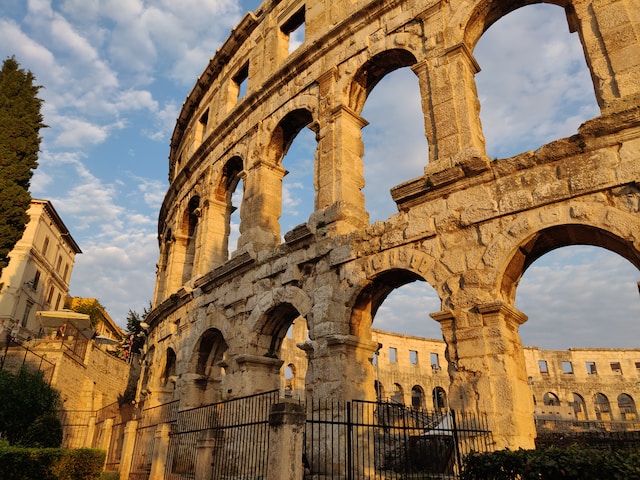
Croatia is marked by its fortified towns and enchanting ruins, take every visitor on an immersive journey through various epochs, each leaving its indelible touch on the fabric of the country. This journey through Croatia isn’t just travel; it’s time travel, where every step whispers tales of the rich tapestry of cultures that have threaded the nation’s vibrant history.
Roman Grandeur Reimagined
One cannot help but marvel at the Roman influence, especially in the ancient city of Split, where Diocletian’s Palace, a UNESCO World Heritage Site, dominates. Erected by the Roman Emperor Diocletian, the palace’s white stone walls and sprawling courtyards echo with the grandeur of a bygone era. Its well-preserved peristyle, temples, and sphinxes transported from Egypt serve as a remarkable reminder of Roman opulence and engineering ingenuity.
Byzantine and Venetian Vestiges
Further north, the coastal city of Poreč showcases the exquisite Euphrasian Basilica. This architectural masterpiece, also gracing UNESCO’s list, exemplifies the stunning Byzantine mosaics and the meticulous artistry that marks this period. The basilica, with its glittering golden backgrounds and ethereal figures, offers a glimpse into a deeply spiritual past.
In contrast, the Venetian era breathed a different life into Croatia. The influence is most palpable as you wander through the port city of Dubrovnik or the charming town of Rovinj, where Venetian palaces stand with their recognizable red terracotta roofs, ornate windows, and grandiose entrances. These citadels of wealth and artistry are emblematic of the Republic of Venice’s mighty presence.
Gothic and Renaissance Chronicles
The trail of the Gothic and Renaissance periods is also deeply entrenched in Croatian stones. The Cathedral of St. James in Šibenik, another jewel in Croatia’s UNESCO crown, captures this transition with finesse. The cathedral, famous for its frieze of 71 sculptured faces, marries Gothic verticality with the harmonious humanistic ideals of the Renaissance. It is an ode to the symbiotic relationship between man and craftsmanship during these evolving times.
As you traverse the cobblestone streets of Zagreb, the capital city, you’re met with an eclectic mix of austere medieval towers, stately baroque churches, and vibrant markets that have served citizens for hundreds of years. The city is a microcosm of Croatia’s diverse cultural inheritance, with each architectural style coexisting and narrating the country’s resilient history.
Immersive Historical Experiences
Beyond static structures, Croatia’s history comes alive through immersive experiences. Historical reenactments, like the Knights’ Tournament in Sinj, celebrate local heroism. Festivals such as the Dubrovnik Summer Festival juxtapose the city’s historical ambiance with artistic modernity. Meanwhile, museums like the Archaeological Museum in Split or the Museum of Broken Relationships in Zagreb provide context and a deeper connection to both the ancient and contemporary Croatian narrative.
Navigating Through the Seasons: Discovering Croatia’s Year-Round Charm
The shimmering waters and sun-kissed beaches of Croatia have long been a haven for those seeking the quintessential summer vacation. However, those in the know understand that Croatia’s appeal doesn’t wane with the passing of the summer solstice. Instead, this Adriatic jewel has distinct charms that unfold with each changing season, offering travelers a unique palette of experiences throughout the year. Here’s how you can navigate through the seasons in Croatia, discovering its hidden and overt treasures along the way.
The Serenity of Shoulder Seasons: May and September
As summer crowds thin, Croatia dons an aura of tranquility and accessibility during the shoulder months. The days of May bring a soft warmth, blooming landscapes, and a gentle invitation to explore the country’s medieval cities and pristine national parks. It’s the perfect time to roam the Plitvice Lakes’ boardwalks, with fewer tourists and a symphony of waterfalls providing the soundtrack to your wanderings.
September, on the other hand, retains much of the summer’s warmth with a golden tinge on the Dalmatian coast. The sea remains welcoming, perfect for sailing around Croatia’s picturesque archipelagos. The towns of Split, Dubrovnik, and Hvar regain their local rhythms, providing an authentic ambiance that summer often overshadows. Vineyards across Istria and Dalmatia swing open their gates for autumn harvests, inviting visitors to partake in grape picking and wine tasting, embracing the local tradition and camaraderie.
A Winter Wonderland: Cultural Festivities and Snow-Capped Beauty
While the thought of Croatia rarely conjures wintry scenes, December through February is a period of festive spirit and snowy enchantment, particularly in the country’s continental region. Zagreb transforms into a veritable winter wonderland. Its Christmas Market, voted the best in Europe multiple times, lights up the city, with quaint wooden stalls, irresistible aromas of traditional pastries, mulled wine, and the sounds of Christmas carols creating a cozy atmosphere.
Another event that defies the winter chill is Rijeka’s Carnival, one of Europe’s most vibrant festivals. Held in January or February, this celebration sees the coastal city burst into life with colorful parades, elaborate masks, and a spirit of satire and revelry. It’s a unique Croatian take on the traditional pre-Lenten festivals found around the world.
Beyond the cities, winter unveils a different kind of Croatian beauty. Snow often blankets the northern regions, transforming places like Plitvička Jezera and Zagorje into scenes from fairy tales. It’s a quiet time for reflection and for enjoying Croatia’s cultural offerings, from its museums and galleries to theaters and concert halls that continue to celebrate the country’s rich heritage.
The Understated Wilderness of National Parks: Croatia’s Hidden Natural Sanctuaries
Croatia’s natural splendor isn’t confined to its famed azure coastline and cascading waterfalls of Plitvice and Krka, frequented by a myriad of tourists. Veering off the well-trodden path, one finds the unsung sanctuaries of wilderness that are Paklenica, Risnjak, and other secluded national parks. These bastions of biodiversity and raw beauty present a quieter, more intimate interaction with nature, often overlooked in travel itineraries yet brimming with wonder and opportunities for adventure.
Paklenica: A Climber’s Paradise amidst Pristine Wilderness
Nestled near the coastal city of Zadar, Paklenica National Park juts out against the backdrop of the stunning Velebit mountain range. The park is a juxtaposition of craggy peaks, deep canyons, and serene forests. It’s a dream locale for rock climbers, with well-maintained routes catering to both novices and seasoned climbers. The Anića Kuk cliff face stands as a monumental challenge, often dotted with climbers ascending its vast limestone facade.
However, you don’t need to be vertically inclined to appreciate Paklenica. Hikers find solace along the trails winding through dense forests, echoing with the sounds of native wildlife. The park’s biodiversity is astounding, offering a sanctuary to endemic and endangered species. The educational trails and underground caves, coupled with the remnants of historic settlements, add a touch of wonder for cultural and nature enthusiasts alike.
Risnjak: Unspoiled Gem of the Dinaric Alps
Further north, straddling the border with Slovenia, Risnjak National Park is a microcosm of stunning Dinaric Alps landscapes. This relatively unexplored park is a treasure trove of dense forests, meandering streams, and hidden meadows, often shrouded in a mist that adds an ethereal quality to the scenery.
Risnjak is most renowned for its namesake, the lynx (ris in Croatian), one of Europe’s most elusive predators. While spotting a lynx is a rare treat, the park teems with other wildlife, from deer to brown bears and numerous bird species, making it a haven for wildlife watchers.
The park’s network of trails caters to various fitness levels, with the Leska educational trail providing informative insights into the park’s flora and fauna. For the more adventurous, the ascent to Veliki Risnjak peak, the highest point of the park, offers panoramic views spanning the Adriatic Sea and the Alps, a worthy reward for the trek’s demands.
Embracing the Quiet Wilds
Visiting these lesser-known parks is a study in contrast. Gone are the queues and crowded viewpoints. Instead, it’s just you, the wind rustling through ancient forests, the songs of birds, and the crunch of your steps on forest paths. It’s advisable to equip yourself with comfortable hiking gear, a reliable map, and provisions, as facilities here are not as extensive as in more popular spots.
Beyond the serene ambiance, these parks are a reminder of nature’s continuity and calm resilience, standing relatively unchanged despite the ebb and flow of human history. They serve not just as recreational spaces but as crucial conservation areas, preserving the nuanced ecosystems within.
A Gourmet Journey Through Indigenous Flavors
Embarking on a culinary voyage in Croatia transcends mere dining — it’s a palette-pleasing journey through centuries of tradition and a diverse gastronomic landscape. Beyond the acclaimed seafood that graces the menus of coastal eateries, Croatia nurtures a plethora of indigenous flavors waiting to be unearthed by the curious foodie.
One of the unique ways to dive deep into the heart of Croatia’s food culture is by exploring its scenic ‘wine roads.’ These routes are not just about wine; they’re a cultural sojourn into the regions’ histories, local life, and of course, exquisite tastes. From the crisp, aromatic whites of Istria to the bold, full-bodied reds of Dalmatia, each vineyard has a story tied to its terroir, best shared by local vintners over a glass of their prized harvests.
Parallel to its wine is Croatia’s golden-green elixir — olive oil. The tradition of olive oil production is as old as the country’s history, with groves often passed down through generations. Embark on tastings at family-owned estates, where the rich, peppery flavors of the oil tell tales of the Mediterranean climate and the families who tend the ancient groves.
These culinary experiences provide a profound understanding of the Croatian spirit, one that’s passionately tied to the land and its yield. Whether it’s indulging in a hearty ‘peka’ dish, savoring locally-cured ‘pršut,’ or discovering the sweet surprise of ‘fritule,’ you’re experiencing a tangible connection to Croatia’s heritage and territorial diversity.
Immersive Local Coffee Culture
But the Croatian gastronomic experience is not all about meals; it extends to what the locals consider a daily ritual — coffee drinking. In Croatia, coffee is less about the caffeine and more about the opportunity to press pause on life’s fast-forward button. This is no place for a coffee to-go; here, every sip is meant to be a mindful meditation, an act of living in the moment.
The weekly tradition of špica in Zagreb encapsulates this cultural phenomenon. During špica, the city’s café terraces buzz with life, as friends, families, and colleagues gather for hours-long conversations, allowing time to stand still over the simple pleasure of a shared coffee. It’s not just a social event; it’s a way to pulse with the rhythm of local life.
Speaking the Heart of Croatia
Embracing the Croatian language, even superficially, uncovers an entirely new layer of travel experiences. While navigating tourist areas is often easily done in English, speaking Croatian — even just a courteous ‘dobar dan,’ a grateful ‘hvala,’ or a friendly ‘molim’ — can bridge the gap between foreigner and local.
This linguistic effort can turn a transactional interaction into an exchange of culture, offering insights into local humor, history, and perspectives. Sometimes, it’s the broken phrases or mispronounced words that invite the most heartfelt laughter and lead to deeper, more meaningful human connections.
Planning a Financially Savvy Trip
Navigating Croatia’s changing economic landscape as a traveler means recalibrating expectations. The nation, blossoming on the global tourist scene, has seen a surge in prices, distancing itself from its previous avatar as a budget-friendly destination. However, a value-rich experience isn’t necessarily synonymous with a hefty price tag.
Venture to less-trodden locales like Vis or Pag — these alternatives offer a glimpse of Croatian charm without draining your finances. Advanced booking — from accommodations to experiences — can also unlock cost benefits, particularly outside the peak months of summer. Early planning, coupled with local insights, can ensure a tapestry of rich experiences fashioned around a financially savvy itinerary.
Staying Connected On-the-Go
In Croatia, connectivity isn’t a luxury — it’s readily available and graciously extended. The country’s robust network of free Wi-Fi hotspots, especially in urban centers, means that digital nomads and social media enthusiasts alike stay connected. Whether you’re video-calling loved ones, uploading your day’s adventures, or meticulously planning your itinerary for the coming days — uninterrupted connectivity is just a login away.
This ease of access extends to various public spaces, cafés, bars, and restaurants, often with no more than a polite question to a staff member for the password. Such widespread internet access transforms travel, making journeys safer, more informed, and shared with those who matter most.
Traveling through Croatia is a multi-sensory experience, interweaving taste, sight, human connections, and the ease of modern digital conveniences. It’s a place where history, tradition, and modernity converge, offering a unique slice of Europe that’s both comfortingly familiar and excitingly unique.